


 Home
Home
 Implements
 Dealer
Quick Support
 Sales
Sales- +91 8888200022 / +91 7744911119
- Service
- +91 8888044448
 Email
Email- [email protected]
Connect socially


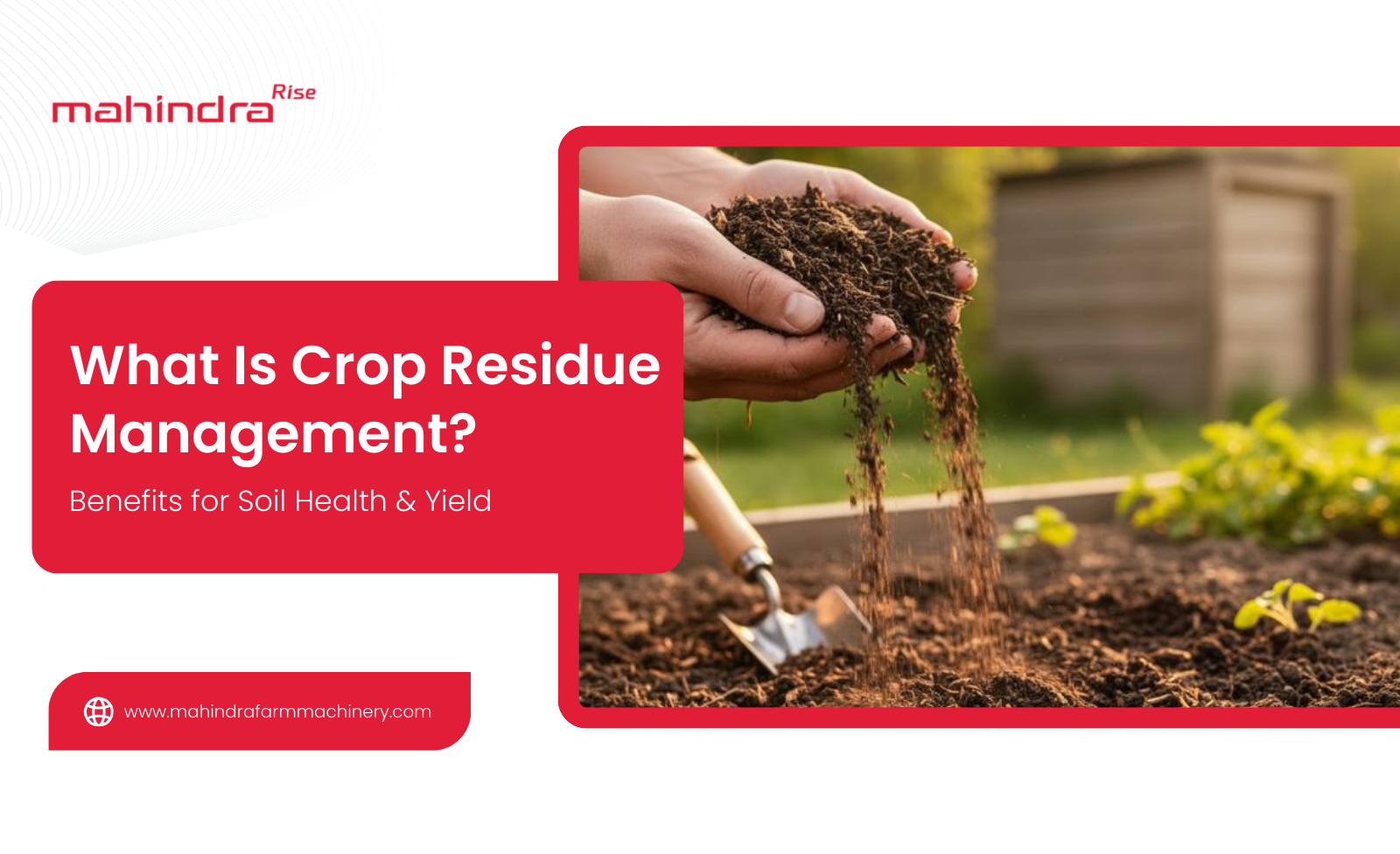
Have you ever wondered why soil that once produced bumper crops starts becoming less fertile over time? Or why farmers face lower yields despite using quality seeds and inputs? One of the biggest, yet often overlooked, keys to sustained farm productivity is what happens after you harvest. Crop residue management is the practice of handling leftover plant material (like stalks, straw, and roots) after harvesting to improve soil health and boost yields in the next crop cycle. With proper techniques and the right farm machinery, this agricultural practice can turn what was once considered “waste” into a natural resource that feeds your soil and increases productivity.
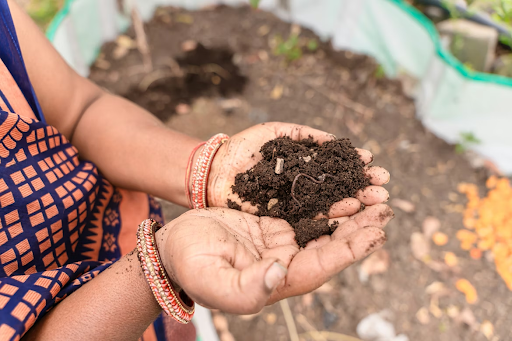
In this blog, we’ll explore what crop residue management means, how it benefits your soil, how it affects crop yields, and why investing in the right agriculture machinery, especially from leading innovators like Mahindra Farm Machinery, can make all the difference for Indian farmers. By the end, you’ll understand how this seemingly simple step can transform your farm’s health and profitability.
1. What Is Crop Residue Management?
Crop residue management refers to the strategic handling of leftover plant material after harvest. Instead of burning stubble or leaving it unmanaged, the goal is to reuse these residues to improve soil structure, fertility, and moisture retention. In traditional farming, residues are often burnt in fields because they impede quick turnaround between crops. Unfortunately, that practice destroys nutrients and contributes to air pollution.
Today, with better conservation awareness and the adoption of modern farm machinery, farmers can incorporate crop residues back into the soil, turning them into organic matter that benefits the field over time. This is especially important in India, where nearly 500 million tonnes of crop residue are produced annually, and much of it goes unused or burned, despite clear alternatives.
2. Why Crop Residue Matters for Soil Health
Healthy soil is the foundation of high crop yields, and crop residue plays a significant role in improving soil quality:
2.1 Enhances Soil Fertility
When residues decompose, they release nutrients like nitrogen, phosphorus, potassium, and sulfur back into the soil, enriching its nutrient profile naturally. This reduces the need for synthetic fertilisers and supports healthy crop growth.
2.2 Improves Moisture Retention
Residue on the soil surface acts as a natural mulch, helping the soil hold moisture during dry periods and reducing irrigation needs.
2.3 Reduces Erosion and Compaction
Covering soil with residues protects it from wind and water erosion. Additionally, farm machinery designed for reduced tillage can help maintain soil structure while limiting compaction.
2.4 Supports Soil Microbial Life
Leftover plant matter provides food for beneficial soil microbes that break down organic matter, creating a fertile environment for crops.
According to agricultural research, adopting sustainable crop residue practices improves soil quality and water retention while increasing crop productivity over time.
3. How Proper Crop Residue Management Boosts Yield
Why worry about crop residues when your crop is already harvested? The answer lies in better next-crop performance. Proper residue management results in:
More organic matter in the soil, which enhances root growth and nutrient uptake.
Balanced soil temperature, thanks to residue cover, which promotes better seed germination.
Lower input costs, since healthier soil needs less fertiliser and fewer chemicals.
In practice, farmers who incorporate residues instead of burning them often experience higher yields and improved soil condition, leading to better profitability and sustainability.
For Indian farmers, this approach is gaining importance as policymakers and agricultural universities promote alternatives to stubble burning and support programs for access to machinery that helps manage crop residues scientifically.
4. Modern Farm Machinery Solutions for Crop Residue
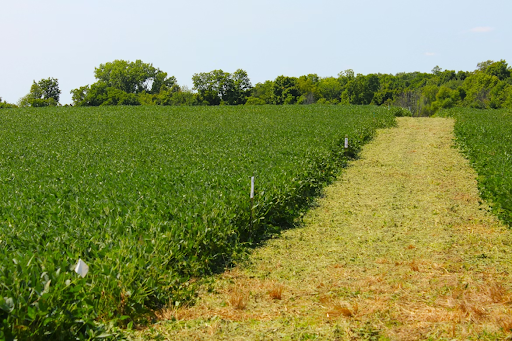
One of the biggest enablers for effective crop residue management is the availability of modern agriculture machinery designed for conservation agriculture. These tools help farmers manage residues efficiently and prepare the soil for the next planting season.
Here’s how modern equipment helps:
4.1 Conservational Tillage Implements
Innovative tools like rotary cutters, flail mowers, or specialized tillers help cut and incorporate residual crop material into the soil without intense ploughing. These tools maintain the soil structure and protect moisture.
4.2 No-Till & Low-Tillage Equipment
No-till planters or seed drills allow for sowing crops without turning the soil fully, preserving residue cover and reducing soil disturbance.
4.3 Precision Agricultural Tools
Advanced precision tools promote even distribution of residue and help maintain uniform soil cover, leading to better water infiltration and seed placement.
One key to adopting these technologies is choosing reliable farm machinery that can handle Indian soil conditions and crop types.
5. Mahindra Farm Machinery: Your Partner in Sustainable Farming
When it comes to quality farm machinery and farm equipments that help with crop residue management and soil health, Mahindra Farm Machinery stands out as a trusted choice for Indian farmers.
5.1 Comprehensive Range of Implements
Mahindra’s range includes land preparation tools like rotavators, cultivators, and disc harrows that help mix crop residues into the soil, improving organic matter and preparing a seedbed in one go.
5.2 Quality Tractors & Attachments
Mahindra tractors, known for durability and performance, provide power for a variety of implements, making residue management and soil preparation faster and more efficient.
5.3 Supporting Every Step of Farm Work
Beyond residue management, Mahindra Farm Machinery provides solutions for sowing, planting, crop protection, harvesting, and post-harvest needs. This integrated suite helps farmers streamline operations using dependable agriculture machinery and farm equipment tailored to diverse cropping systems.
By deploying Mahindra’s advanced tools, farmers can effectively tackle residue challenges, cut down labour, and move quickly from harvest to sowing, all while nurturing soil health for future crops.
6. Integrating Crop Residue Management with Farm Practices
To reap the full benefits of crop residue management, combine it with farm practices such as:
Crop rotation to balance nutrient demand.
Cover cropping to protect soil between seasons.
Reduced tillage to preserve organic matter.
Regular soil testing to adjust nutrient applications.
Together with effective machinery and sustainable practices, you build a resilient and productive farm system.
7. Challenges and Solutions
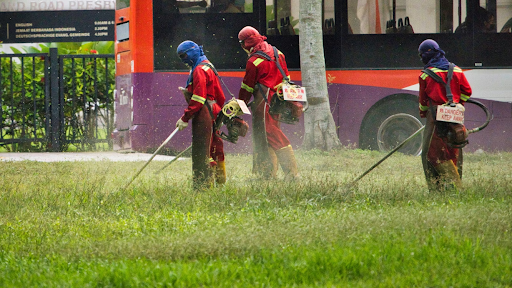
While there are clear advantages, residue management isn’t without challenges:
Equipment Costs: Modern implements can be expensive for small farmers. Cooperative purchase or rental models can help mitigate costs.
Knowledge Gap: Farmers need training to optimise residue use for different crops.
Here, state subsidies and incentive schemes that reduce upfront costs for residue-managing machinery are making an impact in India by encouraging adoption.
Conclusion
Crop residue management is no longer an optional add-on in agriculture; it’s a critical practice for improving soil health, increasing yield, and reducing environmental impacts. When coupled with the right farm machinery and agriculture machinery from trusted brands like Mahindra Farm Machinery, Indian farmers can transform leftover plant material from a burden into a valuable resource. Over time, these practices support stronger soils, higher productivity, and sustainable farming systems that benefit both farmers and the environment.