


 Home
Home
 Implements
 Dealer
Quick Support
 Sales
Sales- +91 8888200022 / +91 7744911119
- Service
- +91 8888044448
 Email
Email- [email protected]
Connect socially


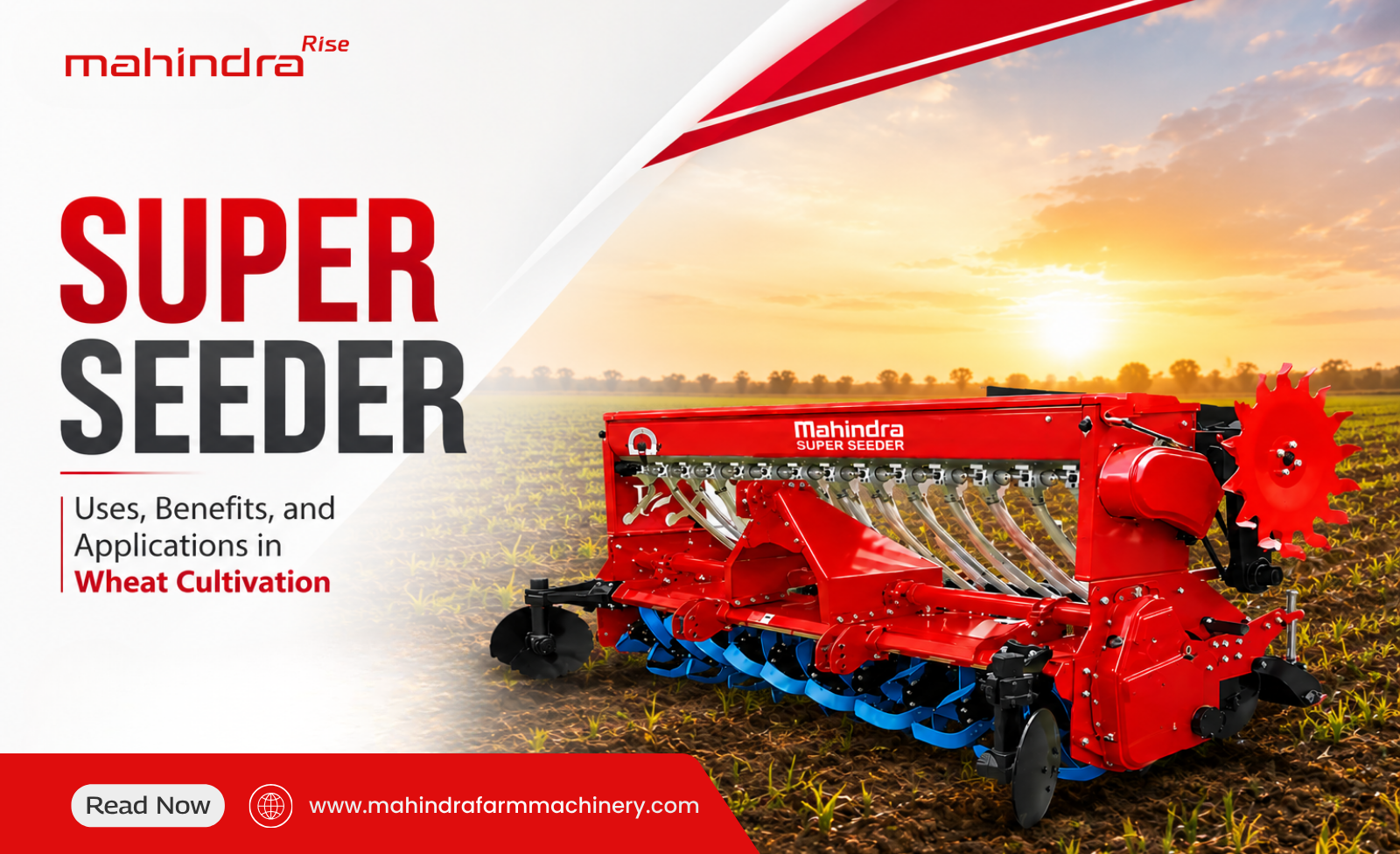
Wheat is one of India's most important food crops, and every farmer aims to achieve higher yields while keeping cultivation costs under control. However, the short gap between harvesting paddy and sowing wheat often creates challenges. Farmers need to prepare the field quickly, manage crop residue, and complete sowing before the ideal planting window closes.
This is where a Super Seeder has emerged as a valuable agricultural implement. Designed to perform multiple operations in a single pass, a seeder helps farmers manage crop residue, prepare the seedbed, and sow wheat simultaneously. It not only saves valuable time but also reduces labour requirements, fuel consumption, and overall cultivation costs. Modern seeders are particularly useful in combine-harvested paddy fields where crop residue management is a major concern.
In this article, we'll explore the uses, benefits, and applications of these seeders in wheat cultivation and understand why it has become an essential machine for modern farming.
What is a Super Seeder?
A Seeder is an advanced tractor-operated implement that combines the functions of a rotary tiller and a seed drill. Instead of carrying out multiple field operations separately, the machine performs residue management, soil preparation, seed sowing, and fertiliser placement in a single operation.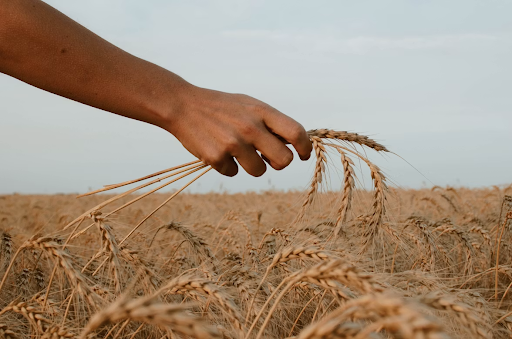
After harvesting paddy using a combine harvester, a significant amount of straw remains in the field. Traditionally, farmers either removed the residue manually or burned it to clear the land quickly. A Seeder eliminates this need by cutting and incorporating the residue into the soil while simultaneously sowing wheat seeds at the proper depth. This approach helps reduce stubble burning and improves soil fertility over time.
Why is a seeder so important for wheat cultivation?
Timing is crucial in wheat farming. Delayed sowing can negatively affect crop establishment and yield potential.
A seeder enables farmers to complete field preparation and sowing immediately after the paddy harvest. Since multiple operations are completed in one pass, the turnaround time between crops is significantly reduced.
This is especially beneficial in states like Punjab, Haryana, Uttar Pradesh, Rajasthan, and parts of Madhya Pradesh, where rice-wheat cropping systems are widely practised.
Major Uses of a Super Seeder
1. Direct Wheat Sowing
The primary use of a seeder is the direct sowing of wheat after paddy harvesting. It allows farmers to plant wheat without extensive tillage, saving both time and resources.
2. Crop Residue Management
Instead of burning paddy straw, the seeder machine incorporates the residue into the soil. The decomposing straw adds organic matter, improves soil structure, and helps retain moisture.
3. Seedbed Preparation
The rotary blades attached to the machine prepare a suitable seedbed while simultaneously mixing crop residue into the soil, eliminating the need for separate tillage operations.
4. Fertiliser Placement:
Many seeder models can apply fertiliser along with seed sowing. Proper fertiliser placement improves nutrient availability and supports healthy crop establishment.
Benefits of Using a Seeder Machine
Saves Time During Sowing
The biggest advantage of a super seeder is that it combines several farming operations into one. This helps farmers complete wheat sowing within the recommended time, which is essential for obtaining better yields.
Reduces Fuel Consumption
Since ploughing, rotavating, residue management, and sowing are completed together, tractor usage decreases considerably. Fewer field passes mean lower diesel consumption and reduced operational expenses.
Lowers Labour Costs
Labour shortages have become a common challenge in agriculture. A seeder minimises dependence on manual labour by automating multiple field operations.
Improves Soil Health
Instead of burning crop residue, incorporating it into the soil increases organic carbon content and improves microbial activity. Over time, this contributes to healthier and more productive soils. Long-term residue incorporation has also been associated with improved soil structure and nutrient efficiency.
Conserves Soil Moisture
The retained crop residue acts as a natural mulch that reduces evaporation and helps maintain soil moisture. This is particularly beneficial during the early stages of wheat growth.
Environment-Friendly Farming
Stubble burning contributes to severe air pollution and nutrient loss. By enabling in-situ residue management, a seeder machine supports cleaner and more sustainable farming practices.
Applications of a Seeder Beyond Wheat Cultivation
Although the seeders are widely used for wheat cultivation after paddy harvest, their usefulness extends to several other agricultural operations.
Farmers can use it in conservation agriculture practices where minimum tillage is preferred. It also supports residue management in various cropping systems and helps improve field preparation for successive crops.
As more farmers adopt sustainable farming methods, the versatility of the Super Seeder makes it a valuable long-term investment.
Choosing the Righ Seeder
Before purchasing a seeder, farmers should consider several factors:
* Tractor horsepower compatibility
* Field size
* Type of crop residue
* Number of furrow openers
* Ease of maintenance
* Availability of spare parts
* Local dealer support
Investing in a high-quality machine ensures better performance and durability for years to come.
For farmers looking to explore reliable agricultural machinery and modern farm implements, Mahindra Farms offers a wide range of equipment designed to improve farm efficiency and productivity. Their solutions cater to the evolving needs of Indian agriculture while supporting sustainable farming practices.
Best Practices for Using a Seeder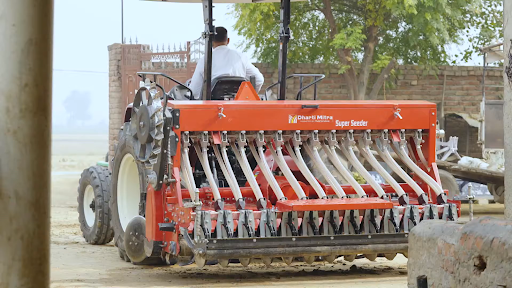
To get the best results from a Seeder, farmers should follow a few simple guidelines:
* Operate the machine at the recommended tractor speed.
* Ensure paddy residue is evenly spread after harvesting.
* Use quality certified wheat seeds.
* Calibrate seed and fertiliser settings before operation.
* Maintain the machine regularly for consistent performance.
* Follow recommended sowing depth based on soil conditions.
Proper machine maintenance and calibration help achieve uniform seed placement and better crop establishment.
Is Investing in a Seeder Worth It?
For farmers following the rice-wheat cropping system, investing in a Super Seeder can provide long-term economic and environmental benefits.
Although the initial investment may seem significant, savings in fuel, labour, and field operations often compensate for the cost over time. In addition, improved soil health and timely wheat sowing contribute to better crop performance.
Many state governments also promote residue management technologies through subsidy schemes, making adoption more affordable for farmers.
Conclusion
The Super Seeder has transformed wheat cultivation by making sowing faster, more economical, and environmentally sustainable. It simplifies field preparation, manages crop residue effectively, conserves soil moisture, and helps farmers complete sowing within the ideal time.
As Indian agriculture moves toward mechanisation and sustainable farming, adopting advanced implements like a seeder can significantly improve farm productivity while reducing cultivation costs. Whether you're a small farmer or managing large agricultural land, investing in modern machinery can help maximise returns and support long-term soil health.
Choosing the right equipment and following recommended farming practices will ensure that every wheat season is more productive, efficient, and profitable.
Visit Mahindra Farm Machinery for more information.